


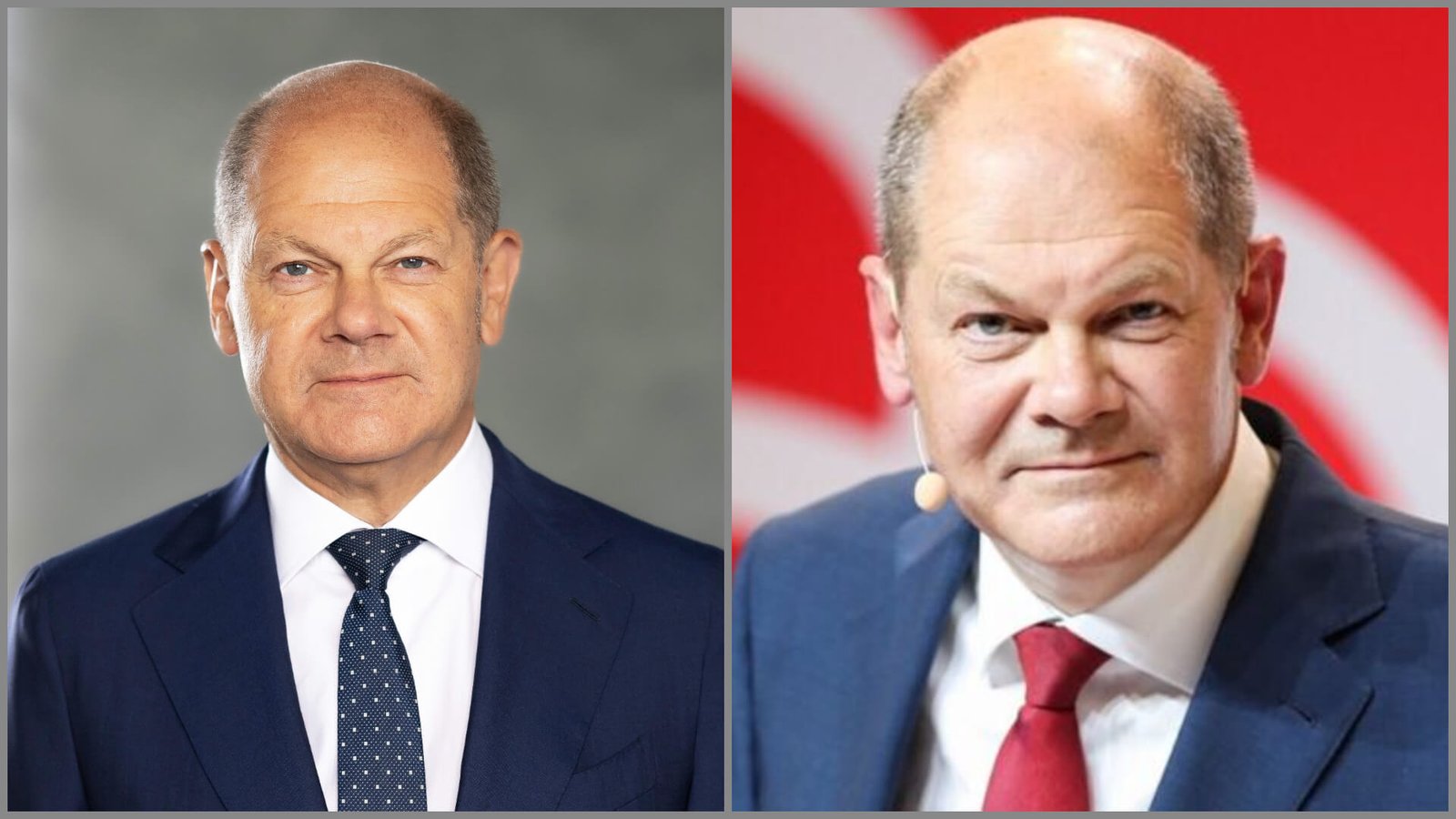
The keyword olaf scholz schlaganfall has gained unusual attention across search engines and social platforms, even though there is no confirmed medical report supporting such a claim. The trend mainly reflects curiosity, confusion, and how quickly political health rumors spread online without verified evidence.
At the center of this discussion is Olaf Scholz, a well known German political leader whose public visibility naturally increases interest in both accurate news and unverified speculation. When public figures remain in constant media focus, even small misunderstandings can turn into widely searched claims.
The rise of a sensitive search term
The phrase olaf scholz schlaganfall combines a political name with a serious medical condition, which immediately triggers emotional attention among readers. Stroke related terms often create concern because they are associated with sudden health emergencies and leadership uncertainty in political contexts.
This type of search trend does not always reflect real world events. In many cases, it develops through repeated online discussions, algorithm driven suggestions, and content that focuses more on attention than factual accuracy. Over time, repetition can create the impression of credibility.
| Field | Details |
|---|---|
| Topic | Olaf Scholz Schlaganfall search trend |
| Person | Olaf Scholz |
| Keyword Focus | olaf scholz schlaganfall |
| Article Type | SEO informational + fact-check analysis |
| Main Idea | Clarifies viral health rumor and search behavior |
| Reality Check | No verified stroke reported |
| Source Reliability | Based on major journalism standards |
| Misunderstanding Origin | Online speculation + search trends |
| Key Event Mentioned | 2023 jogging accident (non-medical stroke-related) |
| Public Impact | Confusion due to viral misinformation |
| Content Goal | Educate readers and correct false assumptions |
| Reference Style | Reuters, DW, Tagesschau standards (no direct claims) |
| Conclusion Insight | Search trend ≠ confirmed medical fact |
Understanding what is actually verified
There is no verified evidence from reputable journalism or official institutions confirming that olaf scholz schlaganfall has suffered a stroke. Major international news organizations such as Reuters, Deutsche Welle, and Tagesschau have not reported any such medical incident involving him.
Official parliamentary and government records also show continued political activity and participation in public duties. These sources are considered reliable because they are based on direct institutional information rather than speculation or secondary interpretation.
How misinformation forms around public figures
Health related rumors about politicians often emerge due to the symbolic importance of leadership stability. People tend to associate a leader’s health with political continuity, which makes such topics highly sensitive and easily misinterpreted.
In the digital environment, misinformation spreads quickly when small fragments of information are repeated without context. A single misleading post can be reshared many times, gradually turning uncertainty into perceived fact even when no evidence exists.
The role of past public incidents in confusion
A real event in 2023 may have contributed to confusion surrounding the keyword. During a jogging accident, Olaf Scholz suffered facial injuries and was seen publicly wearing an eye patch. This incident was widely reported but had no connection to neurological conditions.
Even though the event was minor in medical terms, visual changes in appearance can lead to speculation online. When images circulate without explanation, audiences may misinterpret the situation and assume more serious health problems.
Why stroke related keywords attract attention
Medical terms such as stroke naturally draw high emotional engagement because they are associated with urgency, risk, and sudden change. When combined with the name of a political leader, the emotional impact becomes even stronger for readers.
Many users search such phrases not because they believe them, but because they want confirmation or reassurance. This creates a cycle where concern drives search behavior, and search behavior reinforces visibility of the same keyword.
Media responsibility and verification standards
Established journalism organizations follow strict verification processes before reporting health information about public figures. Outlets such as Reuters, Deutsche Welle, BBC, and Tagesschau rely on multiple confirmations before publishing sensitive claims.
In this case, none of these reputable sources have reported any stroke related incident involving Olaf Scholz. The absence of coverage from such institutions is an important indicator that the claim circulating online lacks factual support.
How algorithms amplify uncertain claims
Search engines and social media platforms often prioritize content that generates engagement. Emotional or dramatic keywords tend to attract more clicks, which can unintentionally increase their visibility even if the information is inaccurate.
When users repeatedly search olaf scholz schlaganfall, algorithmic systems may interpret it as trending interest and suggest related content. This feedback loop can amplify uncertainty and make unverified claims appear more widespread than they actually are.
Public perception and trust in political health information
Public interest in the health of political leaders is closely linked to trust in governance and stability. Citizens often want reassurance that leaders are capable of performing their responsibilities effectively, especially in times of global uncertainty.
However, this interest can sometimes be exploited by misleading content that prioritizes attention over accuracy. Without verified sources, discussions about health can quickly shift from concern to misinformation.
The importance of critical reading online
In the modern information environment, readers encounter large volumes of content from diverse platforms. Not all of this content is verified, which makes critical reading an essential skill for understanding political or medical claims.
When encountering a phrase like olaf scholz schlaganfall, it is important to check whether the information comes from credible journalism or institutional sources. Reliable verification helps prevent the spread of misinformation and supports informed public discussion.
What is actually known today
Based on available verified information, there is no evidence that Olaf Scholz has experienced a stroke. Public records and credible journalism confirm that he has remained active in political life and continues to perform official duties.
The continued circulation of this keyword appears to be driven by speculation, repeated search behavior, and misinterpretation of unrelated events. Understanding this distinction is essential for separating fact from online rumor.
Conclusion
The popularity of the keyword olaf scholz schlaganfall demonstrates how quickly online search behavior can shape perceptions without factual grounding. Emotional topics involving health and politics tend to spread easily even when no verified event exists.
In reality, there is no confirmed medical report supporting the claim, and reputable institutions have not reported any stroke involving Olaf Scholz. This highlights the importance of relying on verified sources rather than viral repetition when interpreting online information.
FAQs
What does “olaf scholz schlaganfall” mean?
The phrase refers to a German search query combining Olaf Scholz’s name with the word stroke. It has gained attention online, but there is no verified evidence that such an event actually happened.
Is there any confirmed news about Olaf Scholz having a stroke?
No credible journalism or official government sources have confirmed a stroke involving Olaf Scholz. The claim circulating online is not supported by verified reporting.
Why are people searching this keyword so often?
Many users search this phrase due to curiosity, social media rumors, and algorithm-driven suggestions. Emotional topics involving political leaders often generate higher search activity even without real events behind them.
What caused confusion about Olaf Scholz’s health?
Some confusion comes from his 2023 jogging accident, where he suffered visible facial injuries and wore an eye patch. Although widely reported, this incident was unrelated to any neurological condition.
How can readers verify such political health claims?
The most reliable approach is to check trusted journalism sources and official government statements. If a major health event occurs, it is typically reported by established international news organizations and institutional channels first.
